
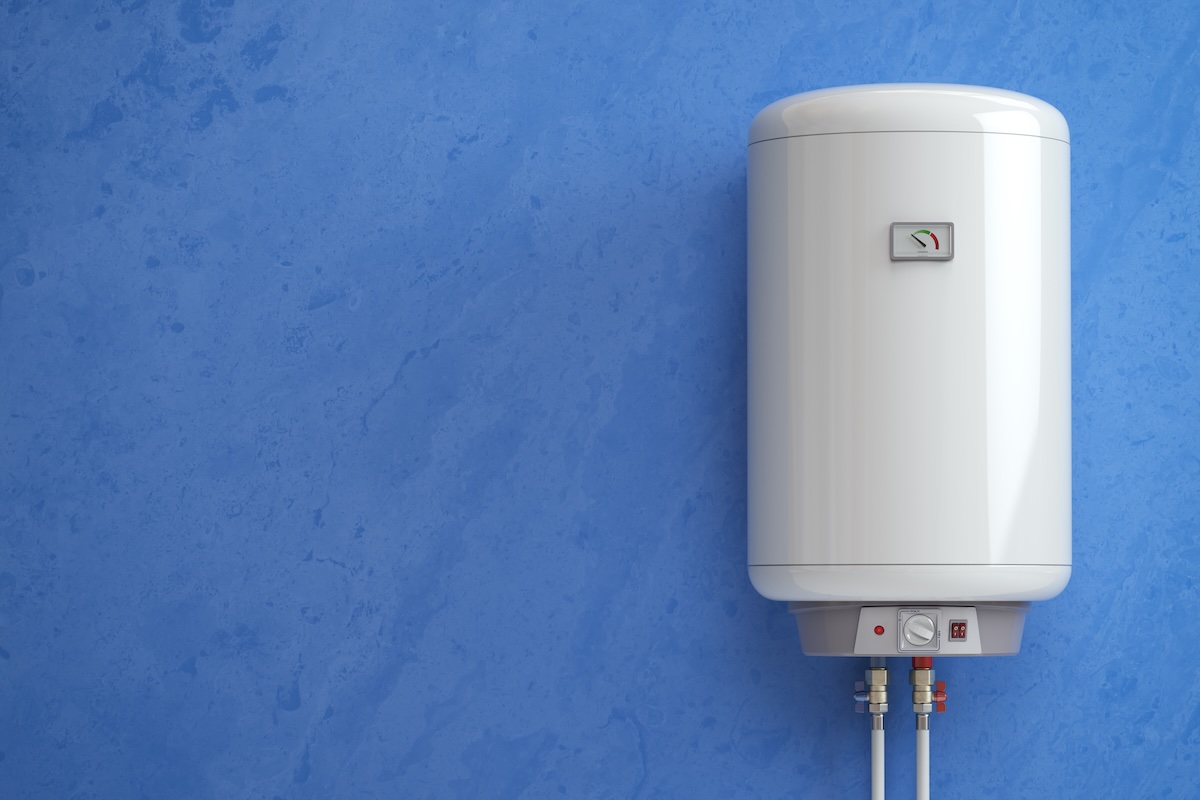

Tankless Water Heater vs. Tank: Which One Is Best for BC Homeowners?
Tankless or tank water heater for your BC home? Compare upfront cost, lifespan, energy savings and 2026 rebates before you replace it.

Is your water heater approaching the end of its life? You may be wondering, then…
“Should I replace it with another storage tank? Or upgrade to an on-demand system?”
This decision isn’t just about choosing the latest tech on the market. It depends more on your home’s hot water use, available space, source of energy, install requirements and total budget. No matter which system you choose, it must be sized correctly for your home…
With all this in mind, what’s the best option for you? The rest of this article will look at the pros and cons of each, available savings through rebates, and frequently asked questions to help you decide.
How Each Type Works
Conventional water heaters store somewhere in the range of 40 to 60 gallons of hot water. This water is pre-heated and ready to use, which results in some heat being lost even when no taps are being used.
When a water heater is tankless (or on-demand), it heats water as it flows through the unit. Hot water isn’t stored, per se, so this type of heater can keep producing it for as long as the system remains within its flow rate capacity.
In short, it’s endless hot water versus how much hot water can be used at once.
Tankless Water Heater: Pros and Cons
Advantages of tankless
If a tankless system is properly sized, it can basically provide continuous hot water, which will be appealing to households that frequently empty their storage tanks or run out of hot water. This style of unit is also compact, wall-mounted, and typically lasts around 20 years with proper maintenance!
Disadvantages of tankless
There is a higher installation cost for tankless water heaters, which is the main drawback. You may require new venting, a larger gas line, electrical work, or other house modifications to make it work. This price commonly starts around $3,000, with the final cost depending heavily on each unique home and the equipment required.
Another limiting (literally) feature of tankless units is that they have flow-rate limits. A small system may struggle when multiple taps and appliances are running simultaneously. This is why having your unit professionally sized is so important!
Tank Water Heater: Pros and Cons
Advantages of a storage tank
Tank water heaters typically costs less to purchase and install. This is particularly true when replacing a similar existing unit. The installation is generally more straightforward, and a properly sized tank can handle simultaneous demand (appliances + shower, for example) until its stored supply is drained.
This type of conventional tank may be the smarter choice for homeowners on a tight budget, or, if you need an emergency replacement done fast. If you regularly use hot water in more than one place at once, a tank water heater may also be the more reliable choice.
Disadvantages of a storage tank
Storage tanks will occupy a lot more floor space than tankless options, and will also continually use energy to keep your water hot. Their lifespan is also typically shorter; approximately 10-15 years.
Once the water is gone, the home has to wait for the tank to recover and heat another supply. This can become an annoying (sometimes daily) occurrence for high-use households with improperly sized tanks!
Tankless vs. Tank Water Heater Cost and Features
Tankless water heaters can reduce energy use and last longer than their tanked counterparts, but does this mean the financial payback is quick and automatic? Not necessarily. Compare the total installation cost, expected energy savings, maintenance and projected lifespan instead of choosing based on monthly savings alone!
BC Rebates and Energy Savings
At the time of this writing, in 2026, BC’s residential rebate programs most favour electric heat-pump water heaters. BC Hydro and FortisBC currently advertise rebates of up to $1,000 for qualifying standard-income installations.
Income-qualified households may be eligible for larger incentives. Better Homes BC lists heat-pump water heater support of up to $3,500 under its Energy Savings Program, depending on the home, income and existing energy source.
FortisBC incentives for gas tankless systems are more program-specific. Certain new-home, conversion, Indigenous-community or maintenance programs may provide support, but homeowners should not assume every condensing tankless installation qualifies. Standard gas and electric-resistance tanks are generally not eligible for broad efficiency rebates.
*Because amounts and requirements change, confirm current BC water heater rebates before purchasing equipment.
Which Water Heater Should You Choose?
- A small home or condo may benefit from the space savings of tankless equipment
- A large family may prefer a properly sized storage tank or require a larger (multiple, even) tankless setup to accommodate simultaneous use of showers and appliances
- A vacation property or rental may benefit from avoiding standby heat loss during vacant periods, making the tankless water heater a better option
- For a tight budget or simple replacement, a conventional tank often provides the best practical value
*Vancouver Island water conditions also matter. Sediment and mineral buildup can affect either system, while tankless equipment especially benefits from regular flushing or descaling.
Get the Right System for Your Home
Tankless or tank, the right water heater is the one sized to how your household actually uses hot water, and, where it qualifies, the one that earns you a rebate!
Archie Johnstone’s licensed plumbers help Vancouver Island homeowners choose, size and install equipment with confidence. Book a free assessment, or learn more about professional water heater installation!

Fall Furnace Maintenance Checklist: Get Your Heating System Ready for Winter


