Spring Plumbing Checklist: 7 Things Every Vancouver Island Homeowner Should Do Now
Protect your home and prevent expensive emergencies with our proactive 7-step spring plumbing checklist, covering everything from testing sump pumps to flushing hot water tanks.

Winter is finally fading and spring has officially settled in across Vancouver Island.
You know what that means?
Homeowners are turning their attention to yard work, gardening, and home maintenance. Seasonal tasks are routine and easy to forget, and there’s one that tends to get overlooked more than most: plumbing maintenance.
The switch from winter to spring can be surprisingly hard on residential plumbing systems. Think about it…freeze-thaw cycles, fluctuating temperatures and heavy seasonal rainfall all add extra stress to your pipes, fixtures, drainage systems and foundations. Those issues that don’t seem so bad in the beginning can quietly turn into expensive emergencies when the temperatures rise.
Water damage remains one of the most common (and costly) home insurance claims in Canada. This is especially prevalent in homes with exposed plumbing. The good news is that a proactive spring plumbing checklist can help homeowners catch problems early, avoid expensive repairs, and protect their homes before summer arrives!
Here are seven important plumbing maintenance tasks every Vancouver Island homeowner should pay attention to this spring.
1. Inspect Outdoor Hose Bibs and Faucets
One of the most vulnerable parts of the home during winter are outdoor faucets. A hose bib could appear fine from the outside, but freezing temperatures can sometimes cause hidden cracks inside the pipe.
Spring is the best time to inspect! Every outdoor faucet and hose connection should be checked.
The “thumb test” is one of the simplest ways to check for hidden damage:
- Remove any hose connected to the faucet.
- Turn the water on fully.
- Place your thumb firmly over the faucet opening.
If you can’t completely stop the flow with your thumb, or if the water pressure is weak in general, it’s possible that there is a crack somewhere inside the pipe.
A cracked outdoor faucet pipe can leak inside your walls each time the faucet is used, leading to potential long-term water damage, mold growth, and other hard-to-fix repairs before the issue is even noticed.
If you suspect damage, contacting a licensed plumber to inspect and repair the line is the recommended advice.
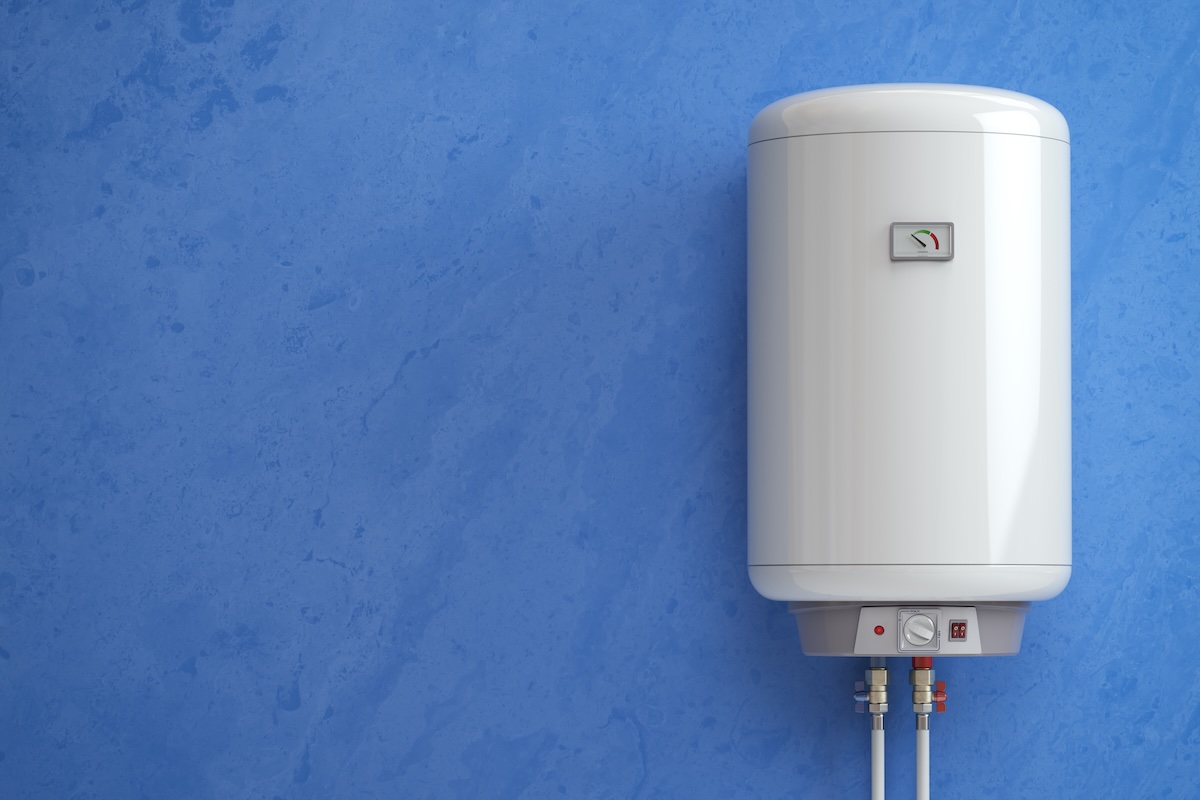
2. Flush Your Hot Water Tank
Spring is an excellent time to service your hot water tank.
Sediment naturally builds up at the bottom of the tank over time. Minerals from the water eventually settle and harden, which makes the whole system have to work harder to heat water efficiently. The result? Reduced performance, increased energy consumption, and a shortened lifespan for the unit.
Water heating accounts for approximately ⅕ of a home’s total energy use, which makes efficiency especially important for homeowners trying to manage utility costs.
Flushing the tank will help remove any buildup and improve overall performance. It often helps alleviate any strange noises around the house, too, as well as improving heat consistency and extending the life of the system. Most tanks last between 8 and 12 years, but neglecting maintenance can significantly reduce that.
Instead of trying to do it yourself, schedule a full inspection with a licensed AJPH plumber. They’ll safely flush the system, inspect valves and connections, and identify early warning signs before they become major concerns.
3. Test Your Sump Pump
Anyone who lives on Vancouver Island knows that spring rainfall can arrive fast and heavy, which makes sump pumps critical for protecting basements and crawl spaces from flooding. Unfortunately, many homeowners don’t realize their sump pump has failed until water is already entering the home…
Testing the system is quick and simple:
- Locate the sump pit.
- Slowly pour a bucket of water into the pit.
- Watch to ensure the float switch rises properly.
- Confirm the pump activates and removes the water effectively.
If the pump doesn’t activate, cycles improperly, or struggles to drain its water, a service appointment or full replacement might be required.
4. Check for Silent Toilet Leaks
Toilets are sneaky, and the source of a common hidden plumbing problem: a leaking toilet flapper. A toilet could appear completely normal, but is then wasting water behind the scenes. In some cases, a toilet may waste up to 200,000 litres of water per year…think of what that would do to your utility bill!
Checking for silent leaks is easy. Try this test:
- Add a few drops of food colouring to the toilet tank.
- Wait 10–15 minutes without flushing.
- Check the bowl.
If coloured water appears in the bowl, the flapper is leaking and should be replaced.
5. Inspect Exposed Pipes in Crawl Spaces and Basements
Do you have a crawl space in your home? Many homes on Vancouver Island do, which can (unfortunately) conceal plumbing leaks and other moisture problems for long periods of time before they’re noticed. Spring is the perfect time to get in there and inspect—crawl spaces, basements, utility rooms, and garages.
Look carefully for things like:
- Corrosion on pipes
- Green or white mineral buildup around joints
- Moisture or damp spots
- Water stains
- Dripping connections
- Musty odours
Even slow leaks can gradually damage your framing, insulation, and flooring over time. Crawl spaces also tend to be humid, which can contribute to mold growth and structural deterioration.
Catch these leaks early to prevent expensive repairs!
6. Clear Gutters and Downspouts
While gutters aren’t technically part of the plumbing system, they do play a major role in protecting your home from water damage. We felt a couple tips were appropriate…
Clogged gutters can overflow during those heavy spring showers, causing water to pool directly beside your foundation. This can contribute to basement leaks, erosion, and foundation problems over time.
While doing your spring maintenance, be sure to include the following:
- Removing leaves and debris from gutters
- Checking for sagging or disconnected sections
- Ensuring downspouts drain properly
Downspouts should direct water at least 1.5 metres away from the home’s foundation whenever possible.
7. Locate and Test Your Main Water Shut-Off Valve
As a homeowner, you should know exactly where your main water shut-off valve is. In a plumbing emergency, being able to shut off the water supply in a timely manner is paramount. It could be the difference between a minor cleanup and thousands of dollars in damage.
If shutoff valves aren’t used often enough over the winter, they can become stiff or seized up.
Spring is the right time to:
- Locate the valve
- Confirm everyone in the household knows where it is
- Carefully test that it turns properly
If the valve is difficult to move, leaking, or appears corroded, it should be serviced or replaced by a licensed plumber.
Imagine discovering a burst pipe or major leak and being unable to shut off the water quickly. Testing the valve now helps ensure it works properly when you need it most.
Summary Table: Spring Plumbing Maintenance
Seasonal plumbing maintenance may not be the most exciting part of spring homeownership, but it is one of the most valuable. A simple inspection today can prevent expensive water damage, reduce utility costs, and improve your plumbing efficiency.
For more than 65 years, Archie Johnstone Plumbing & Heating has helped Vancouver Island homeowners keep their plumbing systems safe, efficient, and reliable through every season. Whether you need a hot water tank flush, leak inspection, sump pump service, or full plumbing maintenance, AJPH’s experienced team is ready to help protect your home this spring. Contact us today!

Fall Furnace Maintenance Checklist: Get Your Heating System Ready for Winter